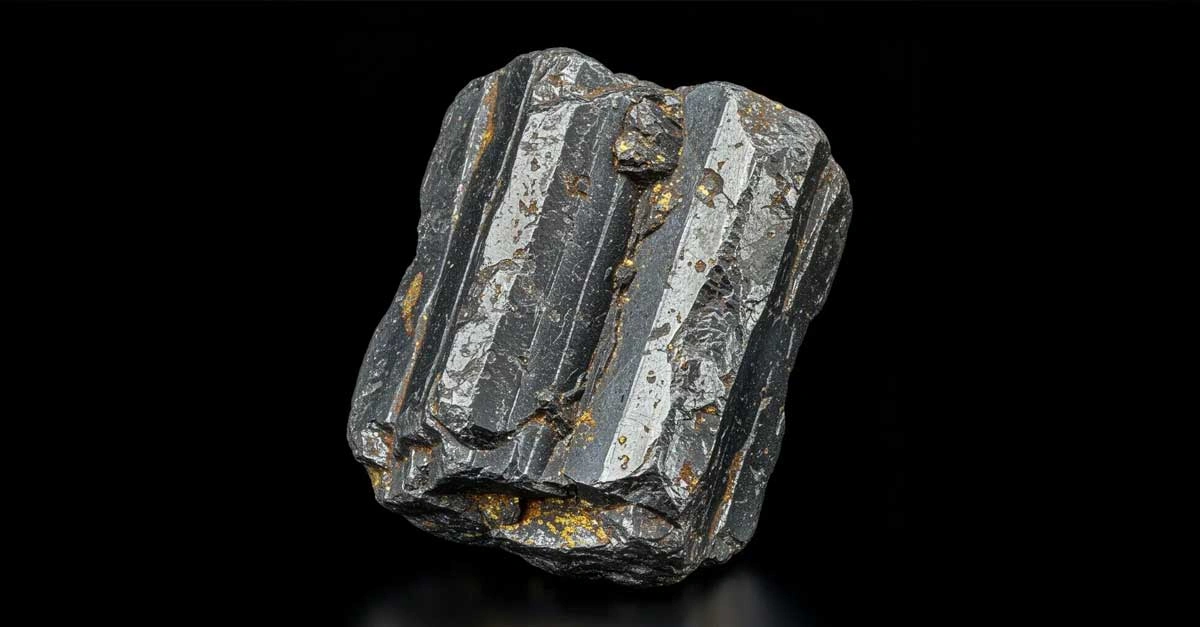
South Africa boasts the world’s largest and highest-grade chrome ore reserves, a mineral that plays a pivotal role in the global steel industry. This strategic resource contributes significantly to the country’s economy, providing employment opportunities, generating export revenue, and underpinning various manufacturing sectors.
The Importance of Chrome Ore
Chrome ore, primarily composed of chromite, is a key ingredient in the production of ferrochrome, an alloy used to manufacture stainless steel. Stainless steel, renowned for its durability and corrosion resistance, finds applications in a wide range of industries, including construction, automotive, and consumer goods.
South Africa’s Chrome Ore Advantage
Several factors contribute to South Africa’s dominance in the global chrome ore market:
- Abundant Reserves: The Bushveld Complex, a geological marvel, houses the world’s largest chromite deposits, ensuring a long-term supply of this valuable resource.
- High-Grade Ore: South African chrome ore is characterised by its high chromium content, making it highly sought after by steelmakers worldwide.
- Established Mining Infrastructure: A well-developed mining infrastructure, including experienced workforce and advanced technologies, enables efficient extraction and processing of chrome ore.
- Government Support: The South African government recognizes the importance of the mining sector and has implemented policies to promote sustainable mining practices and attract investment.
Economic Impact
The chrome ore industry in South Africa has a far-reaching impact on the economy:
- Job Creation: The sector provides direct employment to thousands of individuals and supports numerous ancillary industries.
- Export Revenue: Chrome ore and ferrochrome are significant export commodities, contributing to the country’s foreign exchange earnings.
- Industrial Development: The availability of chrome ore fuels the growth of the steel industry, which in turn supports various manufacturing sectors.
- Technological Advancement: The mining industry drives innovation and technological advancements, benefiting other sectors of the economy.
Challenges and Opportunities
While South Africa enjoys a competitive advantage in chrome ore production, several challenges persist:
- Global Market Volatility: Fluctuations in global commodity prices can impact the profitability of the mining sector.
- Infrastructure Constraints: Inadequate infrastructure, particularly in terms of transportation and energy supply, can hinder the efficient movement of chrome ore to markets.
- Environmental and Social Concerns: The mining industry must balance economic growth with environmental sustainability and social responsibility.
To capitalise on its chrome ore advantage, South Africa needs to focus on value addition, diversifying its export markets, and promoting sustainable mining practices. By addressing these challenges and seizing emerging opportunities, the country can solidify its position as a global leader in the chrome ore industry