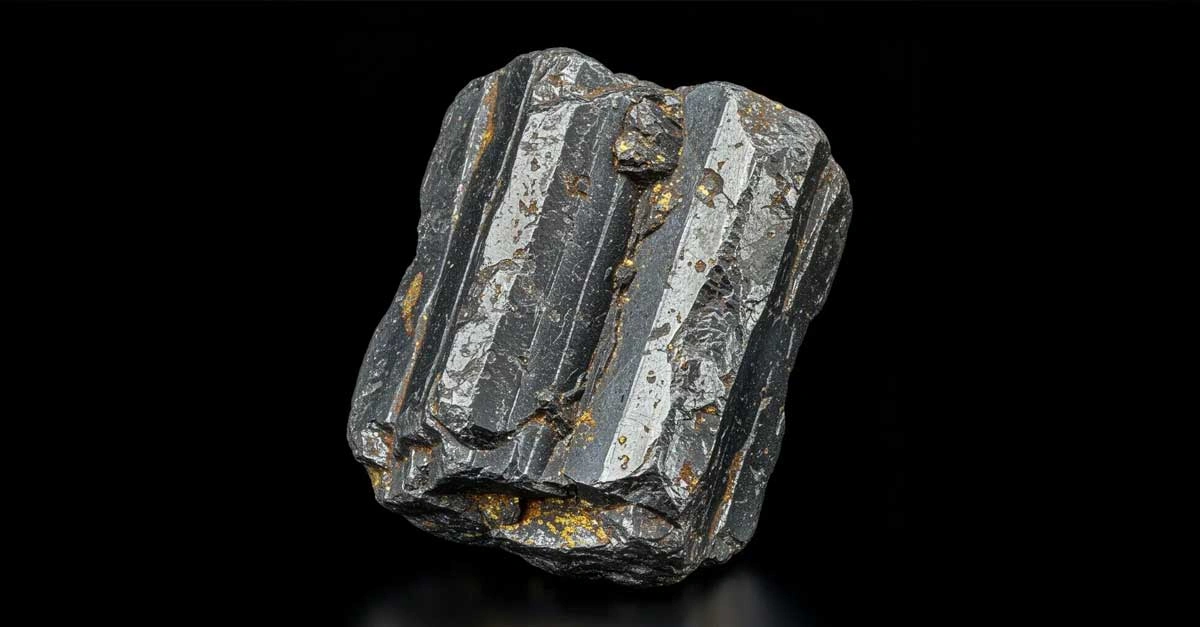
Chrome ore prices did not move all that much between mid-August and mid-September 2026.
For the most part, major producing regions stayed within the same price ranges we saw a month earlier.
South Africa was where things became a little more interesting.
Some concentrate and ROM grades softened slightly, while certain lumpy chrome prices actually pushed a little higher at the top end of the range.
So no, this is not some dramatic market swing.
But it does show that chrome ore grades are starting to move a bit more independently instead of the whole market simply going up or down together.
South African Concentrate Prices Edge Lower
South African 40–42% chrome concentrate saw a small dip over the month.
Bulk material moved from USD 285–290/t CIF China on 14 August to USD 280–290/t by 16 September.
Containerised material followed almost the same pattern, moving from USD 275–280/t to USD 270–280/t.
The top end stayed where it was.
The bottom end dropped by USD 5/t.
That is not a huge move, but it is still enough to show a little more pressure coming into the lower end of the market.
There was a slightly clearer adjustment in 42–44% containerised concentrate, which moved from USD 295–305/t in August to USD 290–300/t in September.
Bulk 42–44% concentrate, meanwhile, stayed exactly where it was at USD 305–315/t.
And that difference is worth keeping an eye on.
Bulk and container markets do not always move together. Freight, availability and shipment size can all start changing what buyers are prepared to pay, especially once the market stops moving in one clear direction.
ROM Ore Also Softens Slightly
South African run-of-mine material showed a similar pattern.
The 38–40% ROM range moved from USD 250–255/t to USD 245–255/t.
The 40–42% ROM range changed from USD 270–275/t to USD 265–275/t.
Again, most of the movement is happening at the bottom of the range.
The stronger end is holding.
That could suggest some sellers are accepting slightly lower offers, while better-positioned cargoes or stronger material are still managing to achieve August-level pricing.
Not exactly a collapse.
More a bit of pressure beginning to show.
Lumpy Chrome Moves the Other Way
This is where September gets a little more mixed.
South African lumpy chrome actually moved in the opposite direction.
The 36–38% lumpy range widened from USD 250–255/t in August to USD 250–260/t in September.
The 38–40% grade also improved at the top end, moving from USD 270–275/t to USD 270–280/t.
So while certain concentrate and ROM products have softened slightly, lumpy material has held up rather well.
In some cases, it has even improved.
That makes the South African market mixed rather than outright weak.
Other Major Origins Remain Stable
Outside South Africa, things were pretty quiet.
Turkish 46–48% concentrate stayed at USD 390–400/t CIF China, while Turkish lumpy grades from 36–38% through to 40–42% remained unchanged.
Albanian 48–50% concentrate held at USD 395–405/t, keeping it among the highest-priced materials in the supplied data.
Pakistan was also steady, with 46–48% concentrate sitting at USD 370–380/t and 40–42% lumpy material at USD 335–345/t.
Iranian and Sudanese 40–42% lumpy ore both remained at USD 335–345/t.
Omani lower-grade material continued trading between USD 180/t and USD 230/t, depending on grade.
Madagascar and Zimbabwe also showed no month-on-month changes in the supplied figures.
In other words, outside South Africa, not much happened.
The Market Is Stable, But Grade Matters More
The main takeaway from September is not that chrome ore prices moved sharply.
They didn’t.
What we are seeing instead is a market becoming a little more grade specific.
South African concentrate and ROM material have seen some softness at the lower end, while lumpy ore has held firm or moved slightly higher.
Most competing origins, meanwhile, have barely moved at all.
For traders, miners and buyers, that means looking past one headline chrome ore price becomes even more important.
Grade matters.
Product type matters.
Shipping method and origin matter too.
And all of those things can influence the number a buyer is ultimately prepared to pay.
For companies operating across the chrome ore supply chain, SwapX can help connect buyers and sellers while also providing members with weekly market reports and a clearer view of available material and changing opportunities across the market.